About Us
The Institute of Natural Sciences (INS) at the German-Turkish University was established on April 10, 2010, by Law No. 5979, pursuant to Law No. 2547, to offer graduate programs in the fields of natural sciences and engineering. In the fall semester of the 2020–2021 academic year, the INS organized its existing programs in coordination with the existing and planned bachelor’s programs of the Faculties of Engineering and Natural Sciences, and in parallel with the development of the academic staff and the research infrastructure, and began offering disciplinary and interdisciplinary master’s and doctoral programs.
Our institute offers master’s programs with a thesis in the fields of robotics and intelligent systems, mechanical engineering, materials science and engineering, computer science, civil engineering, electrical engineering, and molecular biotechnology. In addition, we offer PhD programs in robotics and intelligent systems, computer science, mechanical engineering, and electrical engineering. The language of instruction for all master’s and PhD programs is English.
In accordance with Article 6 of the German-Turkish University’s Research and Development Policy, the publication requirements for admission to the thesis defense in the graduate programs of the Institute of Natural Sciences—which are characterized by problem-oriented theses and a perspective focused on scientific innovation in various research initiatives—have been revised, effective in 2024. In this context, the forms for the master’s and PhD programs were updated as of October 2022.
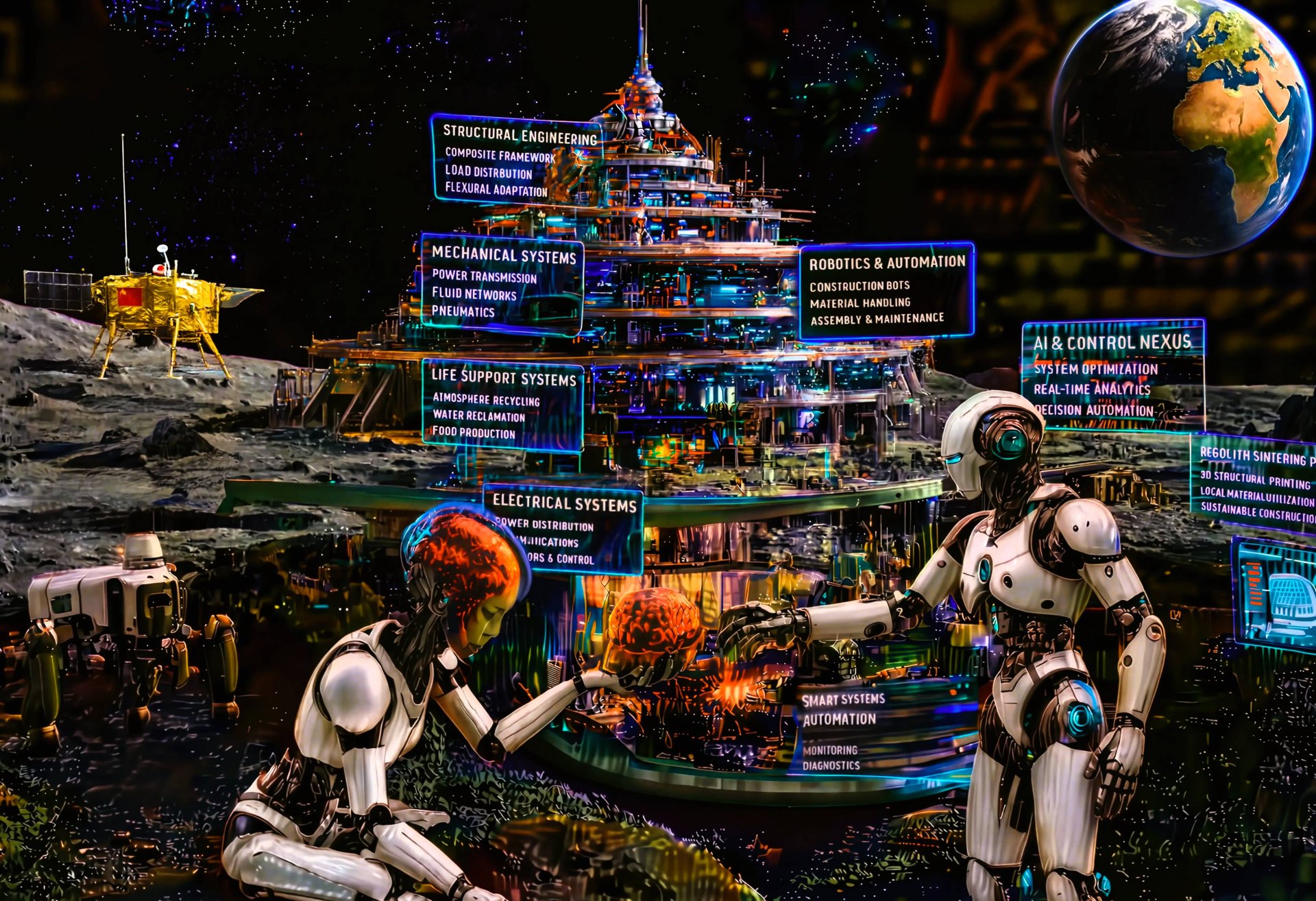
As part of the 2025–2030 Strategic Plan, TDU’s “Roadmap 2030,” the institute aims to establish a strong interdisciplinary structure in the creation, continuation, and further development of master’s and PhD programs. The institute’s primary priority is to develop multidisciplinary modules, with the fact that 30% of the modules are covered by German universities and that thesis work can be jointly supervised by Turkish and German faculty members representing one of the most significant factors for the excellence of research and teaching at TDU. The year 2030 represents a historic turning point for global research and technological development: the planned moon landings by leading spacefaring nations, the fusion of super(quantum)computers with autonomous AI research agents, and stem cell-based biomedical regeneration technologies are the most prominent frontiers. Not only will new scientific trans-disciplines emerge here, but the global community will also have to redefine itself. Our institute, the INW, is rising to this challenge.